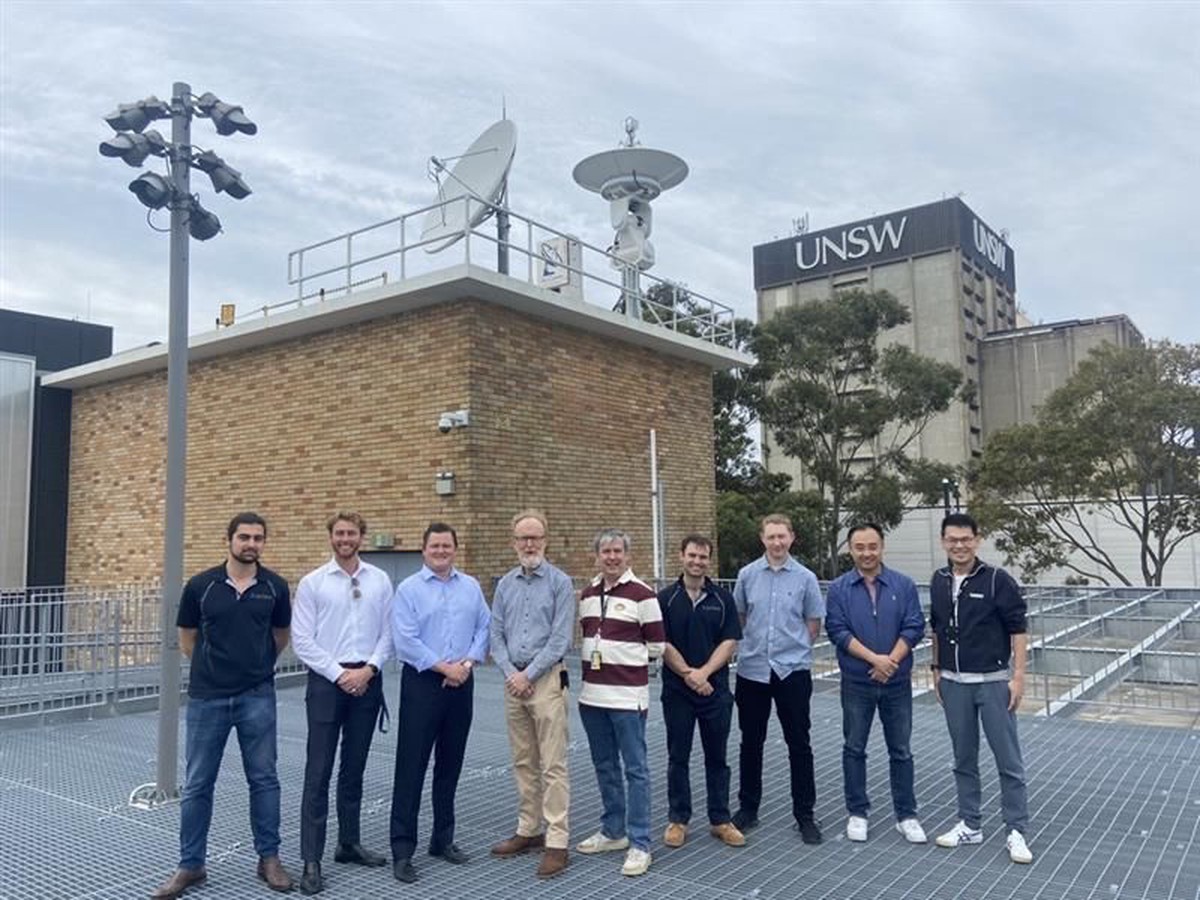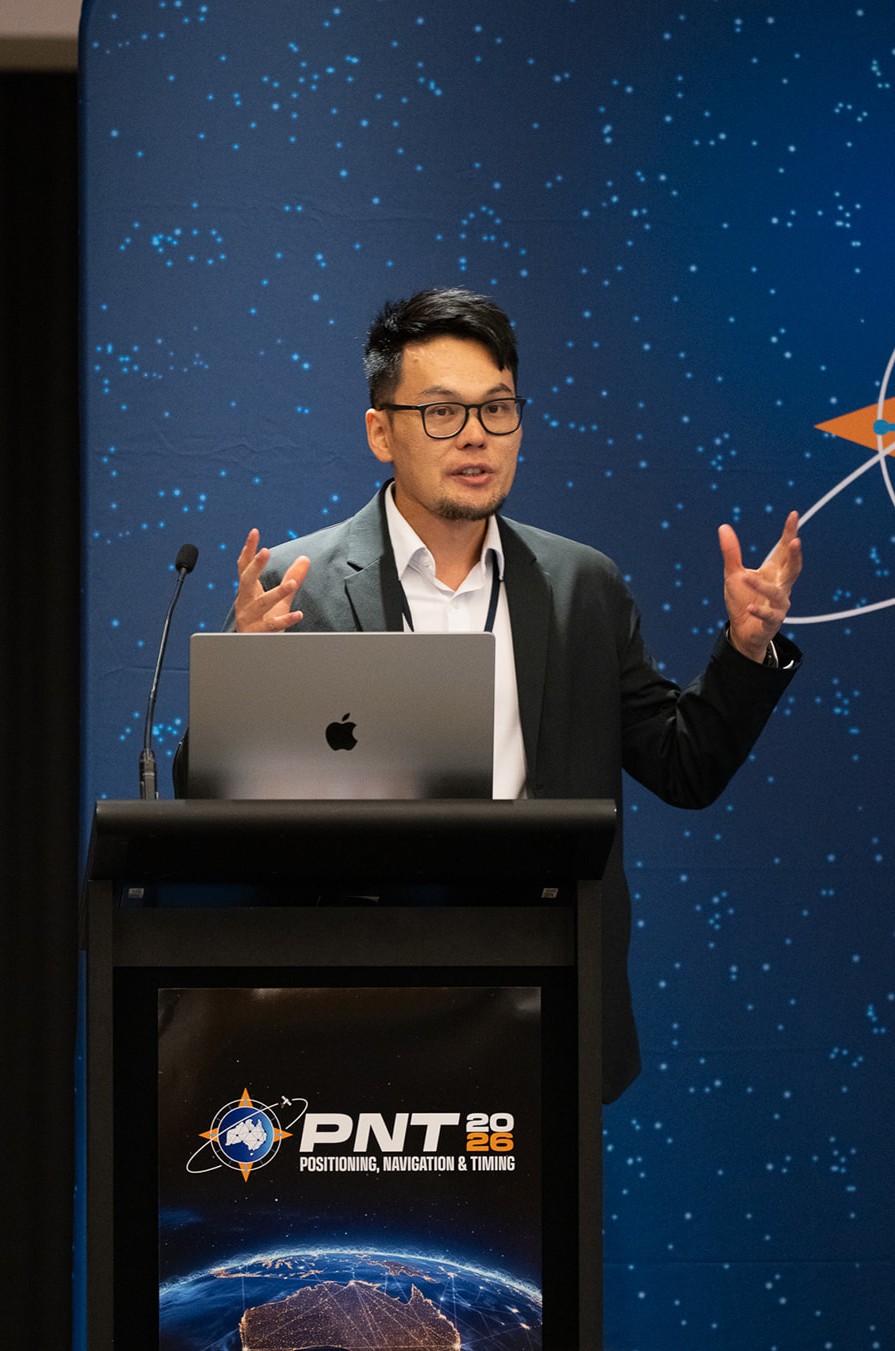
We turn sparse and noisy space-tracking data into reliable navigation and operational intelligence for safer satellite and cislunar missions.
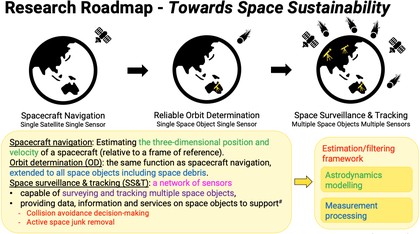
My group works on optical tracking and observatory automation, orbit determination, satellite manoeuvre detection and pattern of life, and navigation for lunar and cislunar missions. The common thread is estimation: recovering trustworthy state, and honest uncertainty, from data that is sparse, noisy, or both.
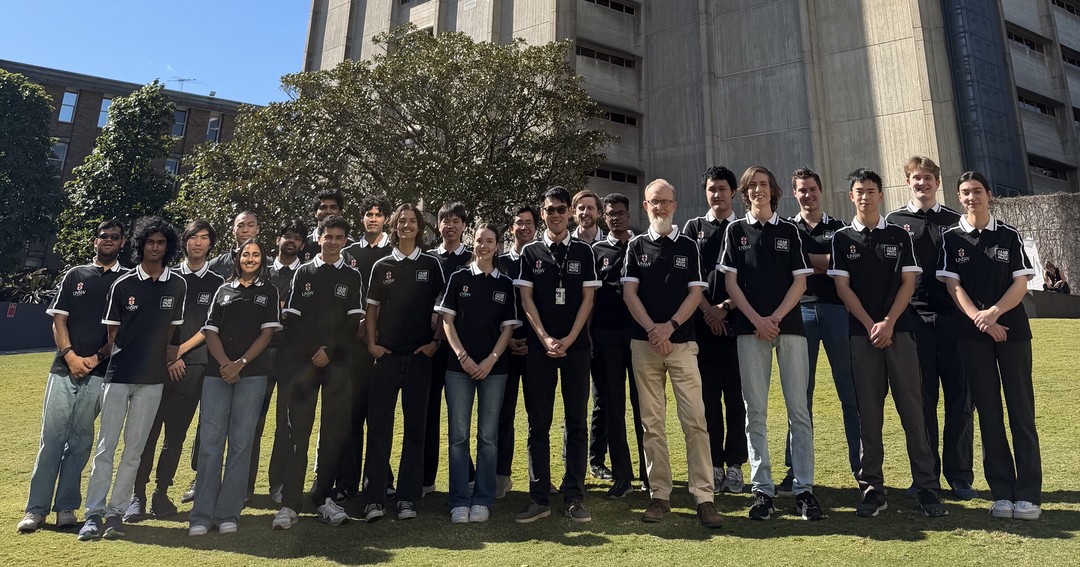
I teach space engineering at UNSW (AERO9500 and AERO9610) and am Academic Lead for AUStronauts, a Vertically Integrated Project team developing a 3U CubeSat with an electrodynamic tether for space-weather applications.
I serve as an Associate Editor of IEEE Transactions on Aerospace and Electronic Systems (Space Systems).
Industry, agency and research partners can engage this work through three bounded pilots: a tracking campaign, a manoeuvre and pattern-of-life assessment, or a cislunar PNT trade study.
Four recurring failures in space operations, and the work that addresses each.
Your tracks are too sparse and too noisy to trust an orbit. Short arcs, gaps of days between passes, and faint objects near the detection limit produce orbit solutions whose covariance does not reflect reality. I build estimation and image-processing pipelines that extract usable astrometry from marginal data and report honest uncertainty alongside the state. → Optical tracking and observatory automation
A satellite moved and you found out late. Distinguishing a genuine manoeuvre from mismodelled dynamics or a bad track is the difference between a real custody break and a false alarm. I develop manoeuvre-detection and pattern-of-life methods for geostationary and geosynchronous satellites, built on labelled optical data rather than assumptions. → Satellite manoeuvre detection
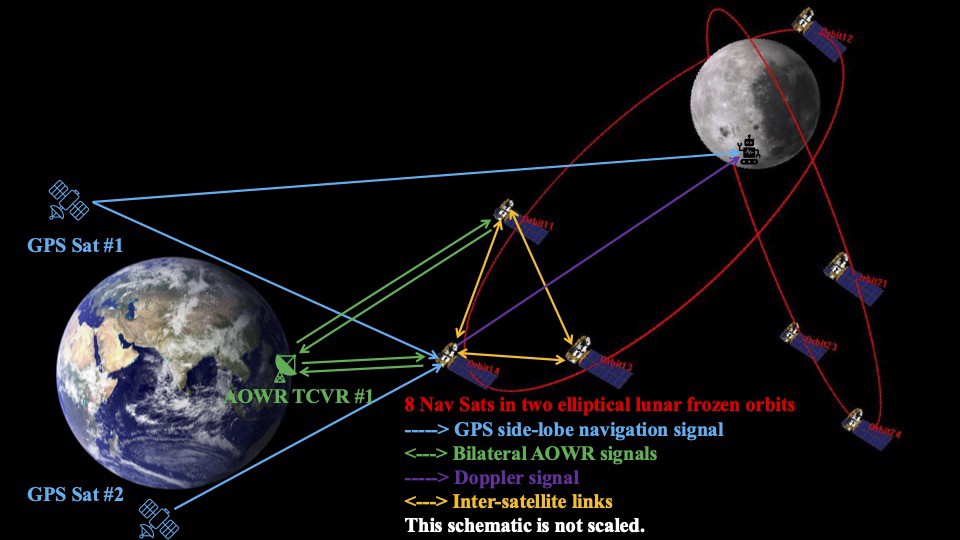
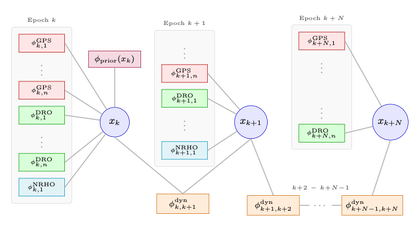
Your mission goes where GNSS does not reach. Beyond geostationary orbit and around the Moon, Earth-based positioning degrades or disappears, and ground tracking is a scarce, expensive resource. I design navigation architectures that hold accuracy autonomously — inter-satellite links, constellation geometry, and time synchronisation treated as one problem. → Lunar and cislunar navigation
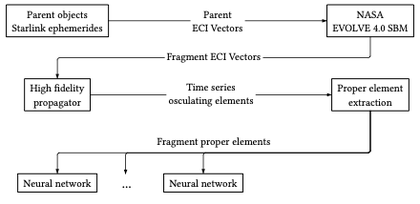
You cannot say when it comes down, or what it belongs to. Reentry timing and conjunction screening both degrade when atmospheric density is modelled badly, and debris fragments arrive without a parent. I work on reduced-order density models driven by real ephemerides, and on classifiers that reconnect fragments to their breakup event. → Reentry and density prediction
Each project states the problem, the capability built, what has been demonstrated, who is using it, and what a partner can take on next.
Funded programs, external responsibility, and results that are on the record.
Grants, appointments and results. Workshops, visits and talks are in the activity archive.
Three bounded pilots. Fixed scope, defined inputs, a deliverable you can act on.
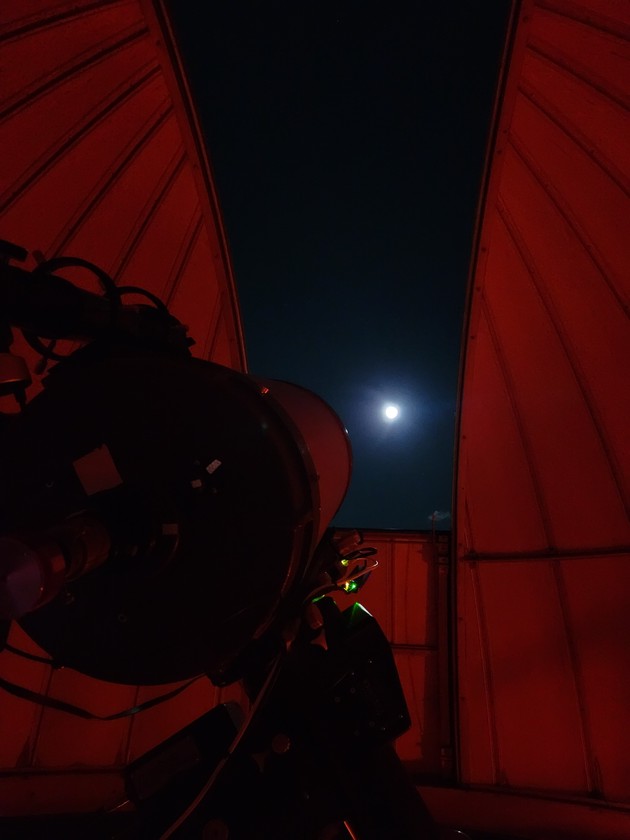
Tracking campaign. You nominate the objects. The UNSW Observatory is tasked against them, and you receive astrometry, orbit solutions and a residual and accuracy report.
Manoeuvre and pattern-of-life assessment. You supply a GEO or LEO time series, or we source one. You receive a labelled event list and detection performance benchmarked against your current baseline.
Cislunar and lunar PNT trade study. You supply mission geometry and constraints. You receive a coverage and accuracy budget, and a navigation architecture recommendation.
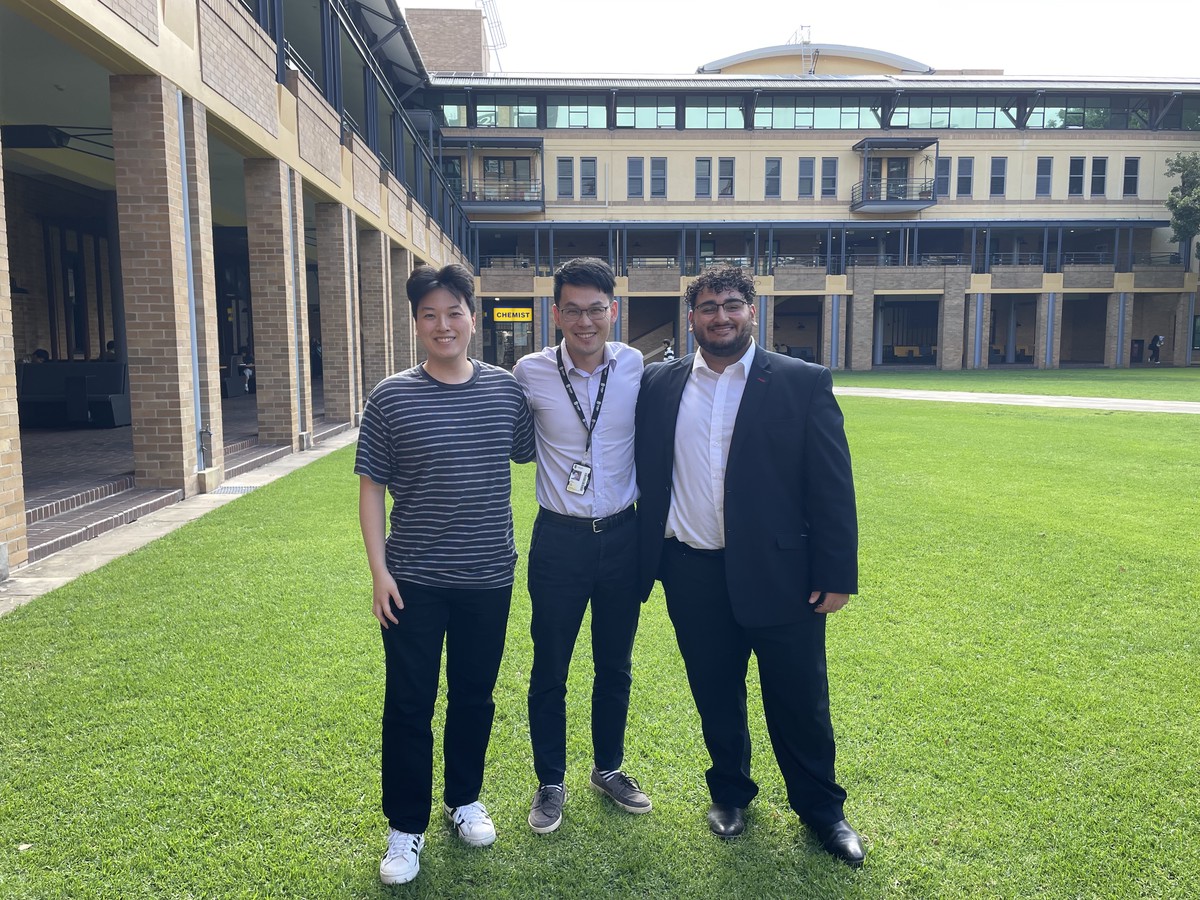
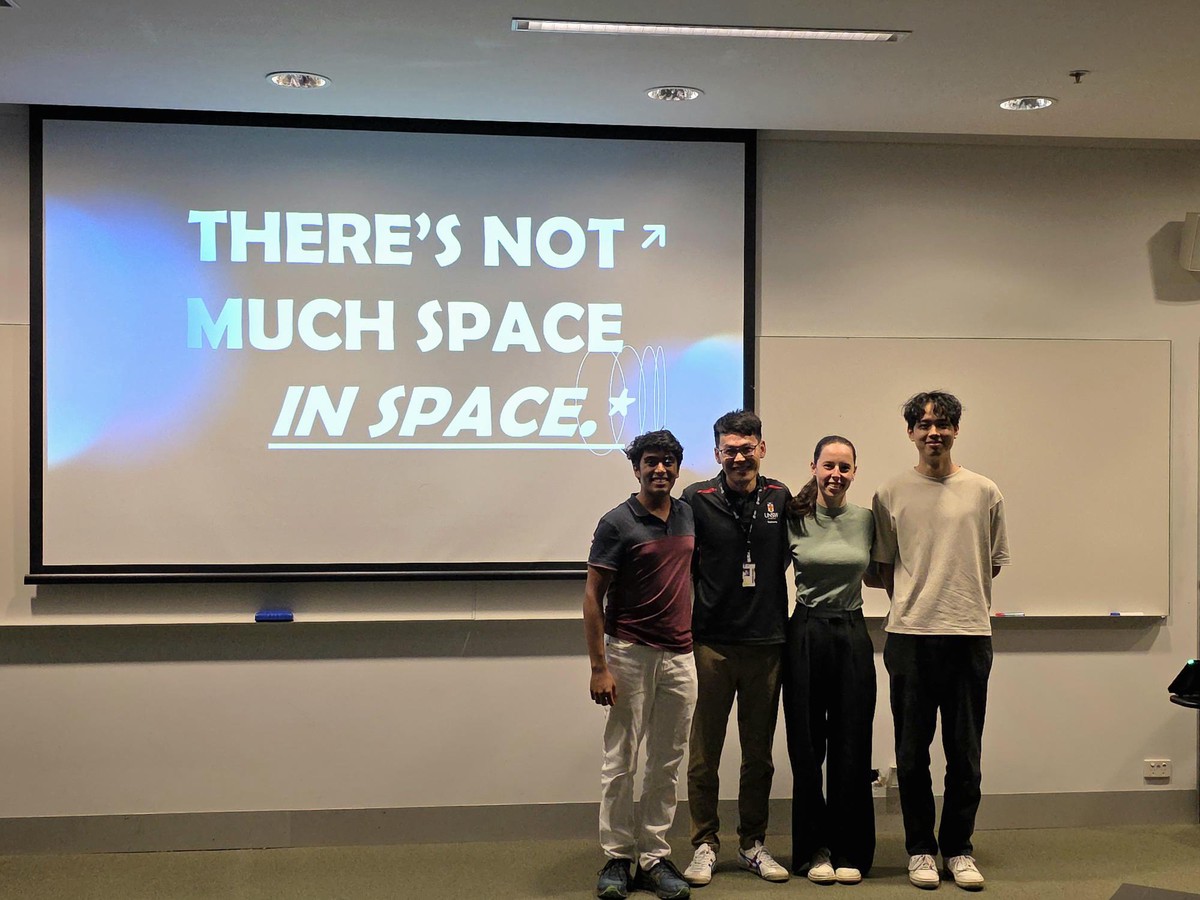
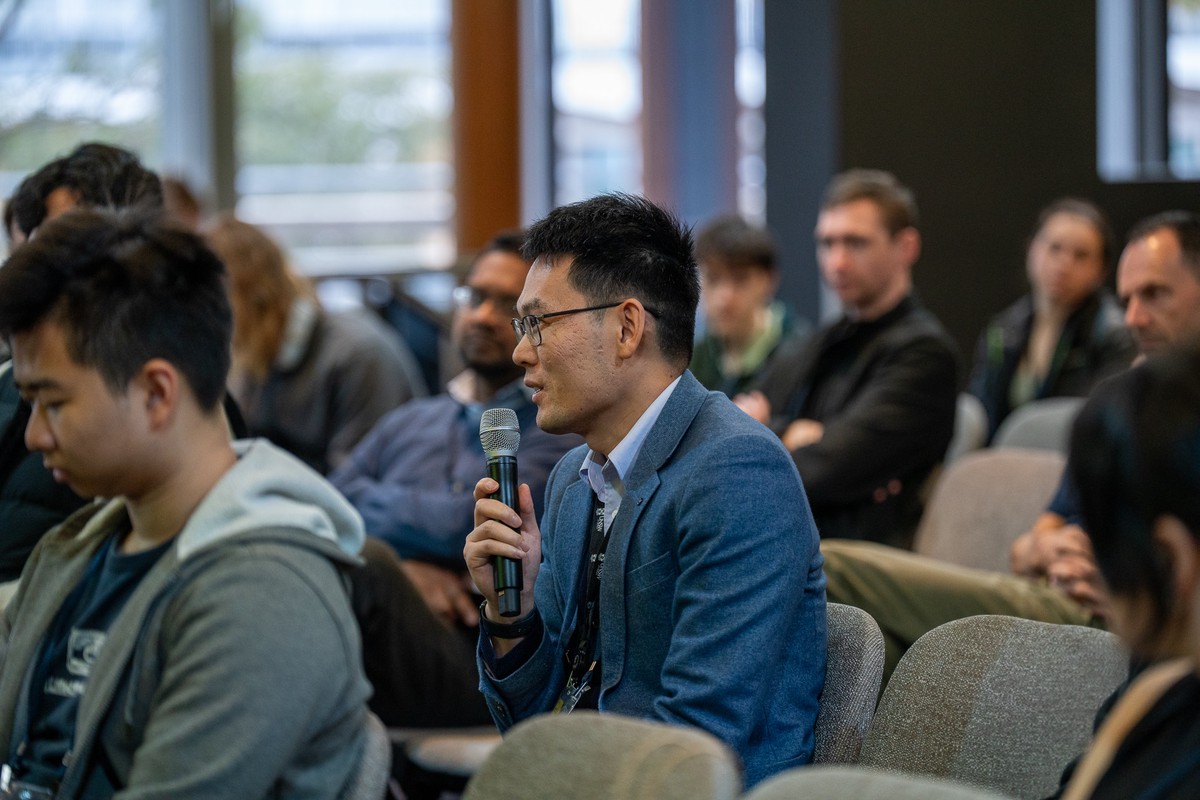
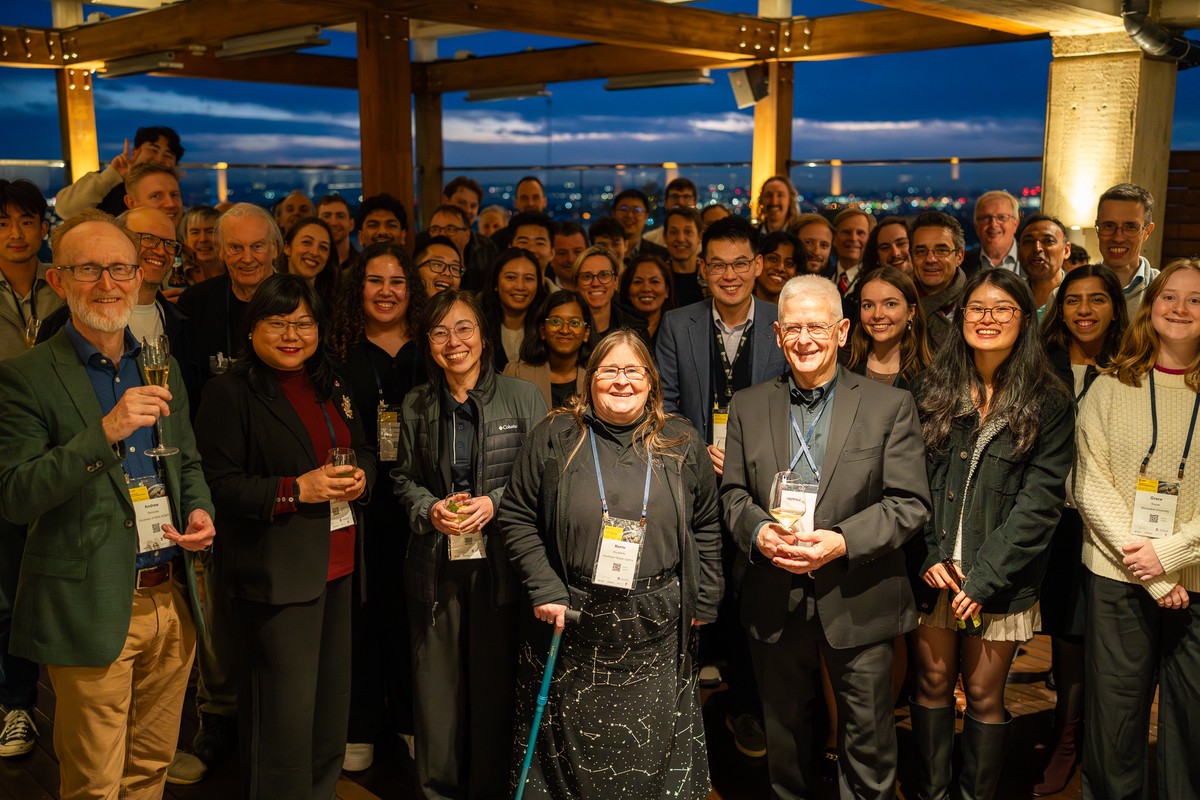
See what each pilot involvesPhotos with my students
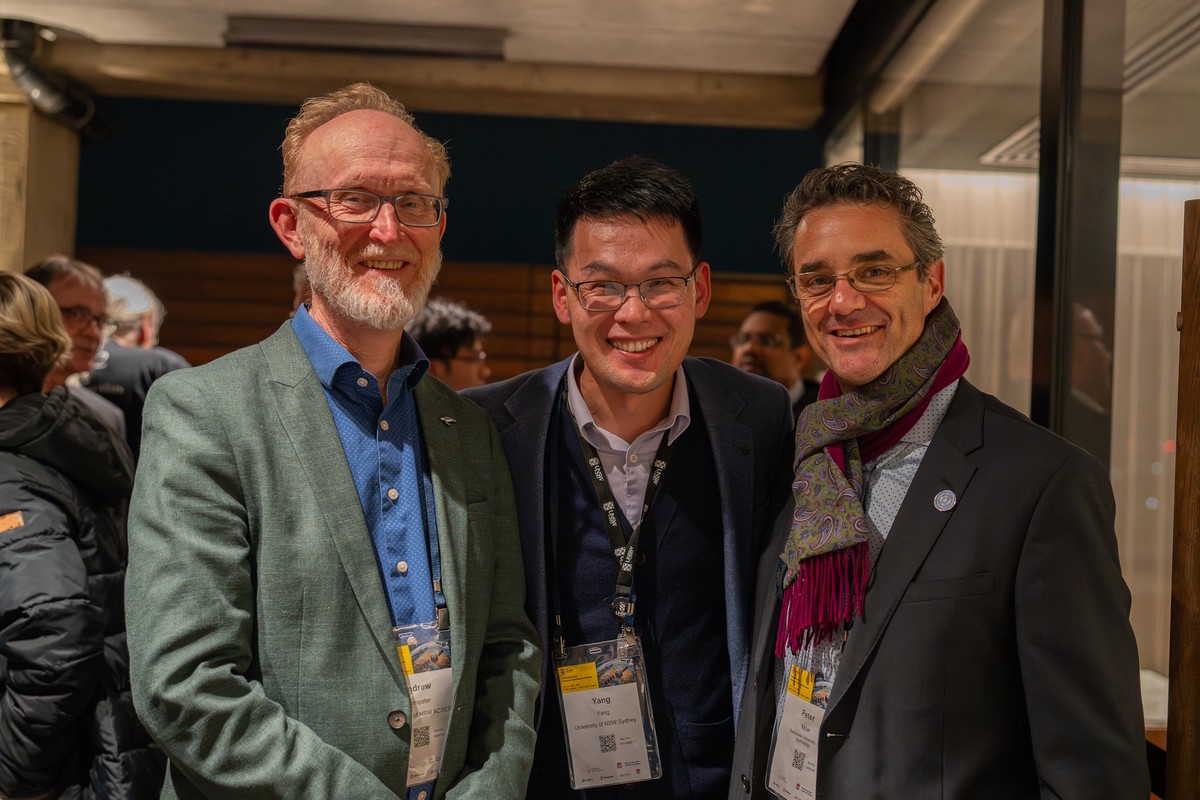
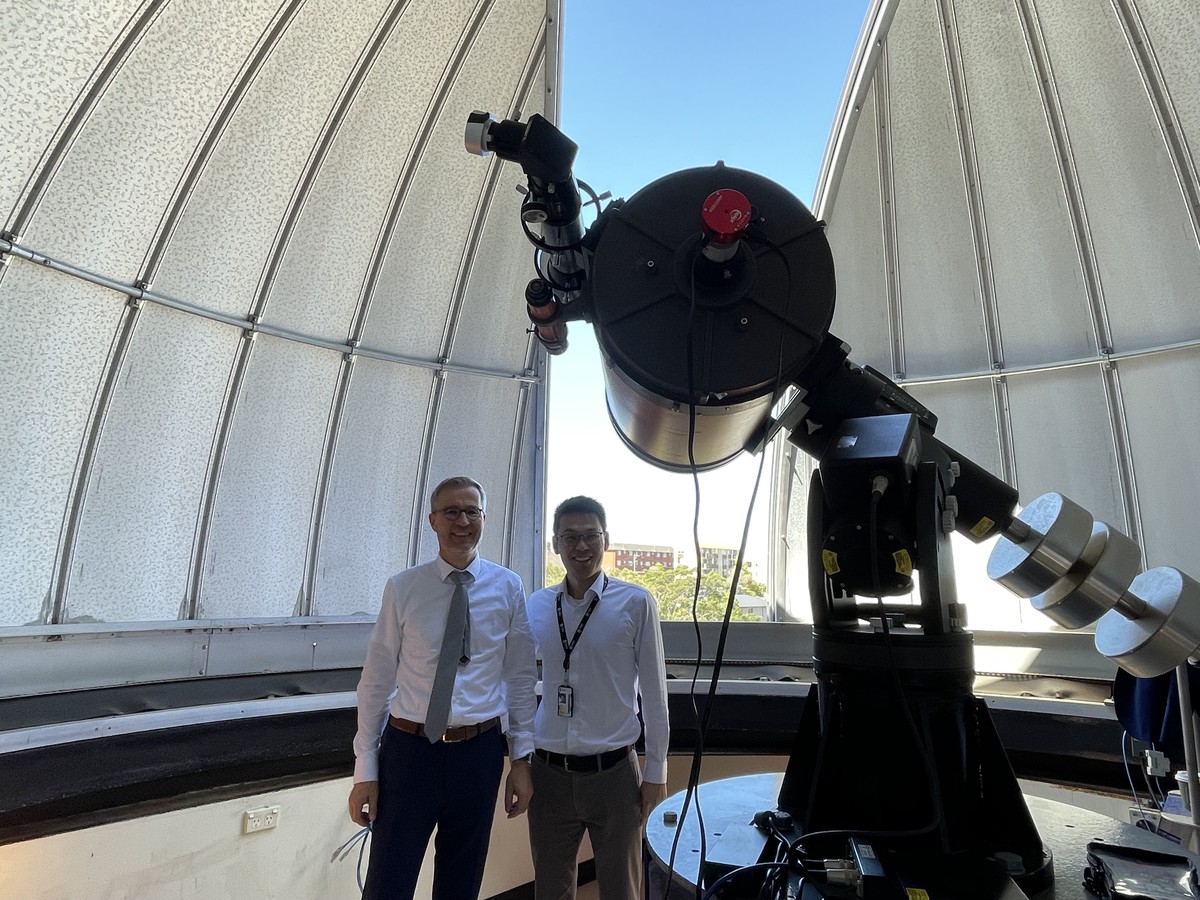
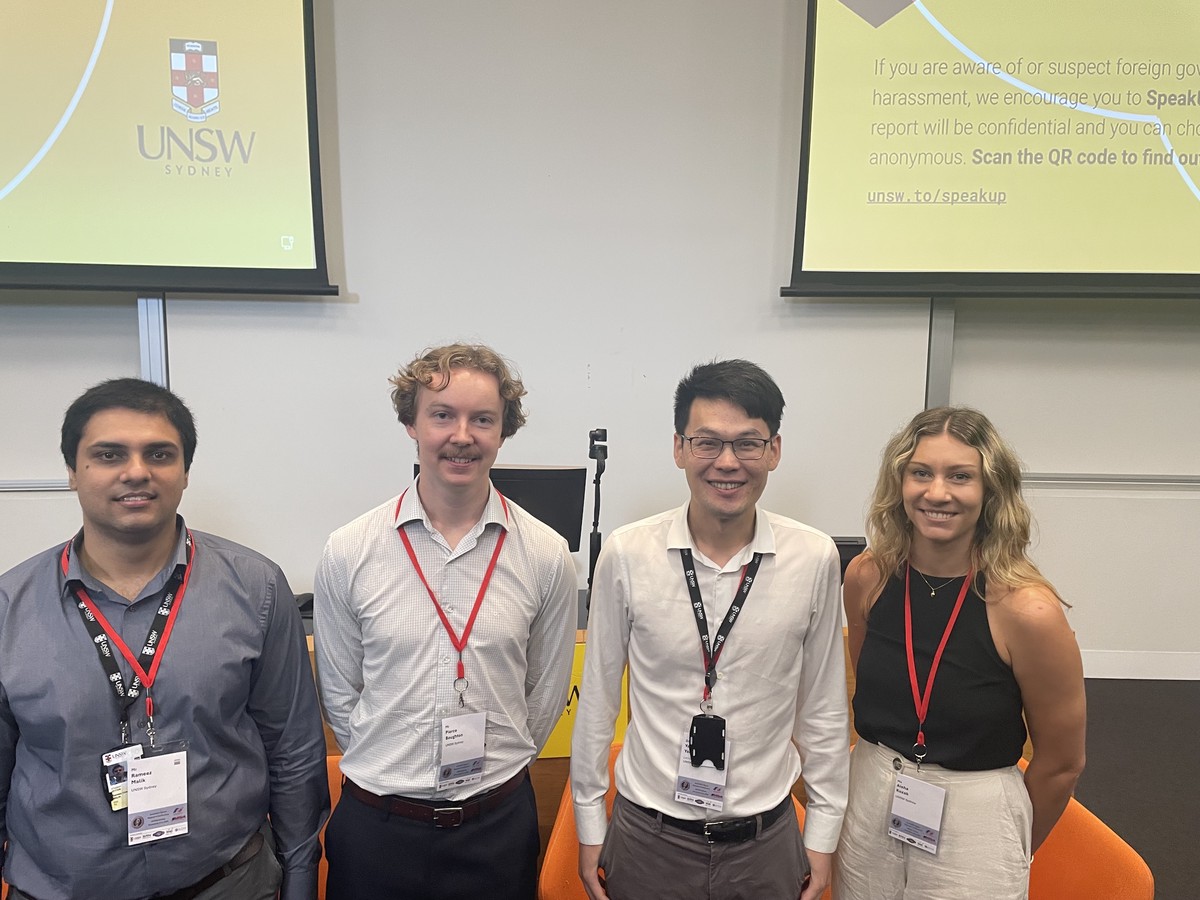
Here are some photos with my colleagues and students.